How Much Does In-House Dental Insurance Verification Really Cost?
Thinking about hiring in-house for dental insurance verification? See the true cost breakdown — salary, benefits, training, and turnover — and how it compares to outsourcing.
2/27/20262 min read
Most dental practices don't think twice about who handles insurance verification until claims start piling up or a front-desk hire quits with no notice. At that point, the real cost of doing this work in-house becomes obvious. Here's what it actually adds up to.
The Sticker Price Isn't the Real Price
A dedicated insurance verification coordinator typically earns between $18–$24 per hour in most U.S. markets, which sounds manageable on paper. But that hourly rate is only the starting point. Once you add the costs employers are legally and practically required to cover, the number grows fast.
What's Actually Included in the Cost of an In-House Hire
Base salary or hourly wage — roughly $37,000–$50,000 annually for a full-time role
Payroll taxes — Social Security, Medicare, and unemployment insurance add 7–10% on top of wages
Benefits — health insurance, PTO, and sick leave can add another 20–30%
Training and ramp-up time — most new hires take 4–8 weeks to verify benefits accurately and independently
Software and tools access — clearinghouse fees, payer portal logins, and practice management system seats
Turnover costs — recruiting, onboarding, and lost productivity every time a front-desk employee leaves
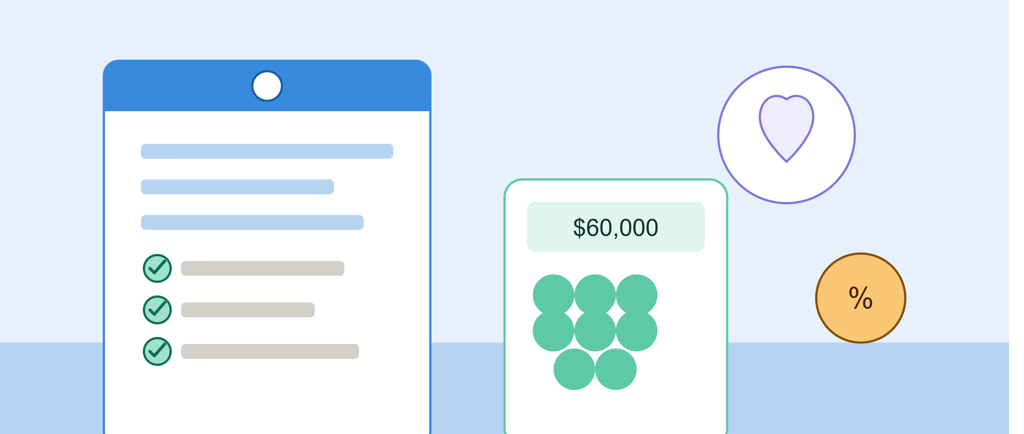
When you total these, a single in-house verification role can easily cost a practice $55,000–$65,000 per year — not the $40,000 salary line item it looked like at first glance.
The Hidden Cost: Inconsistency
Beyond the dollar figures, there's a quieter cost: coverage gaps. When your verification person is out sick, on vacation, or simply behind on a busy Monday, verifications get delayed or skipped. That leads to claim denials, awkward conversations with patients about unexpected balances, and revenue that takes longer to collect.
What Outsourcing Typically Costs Instead
Outsourced insurance verification services are usually priced per verification or as a flat monthly rate based on patient volume, with no payroll tax, no benefits, and no training ramp-up on your end. Practices that switch commonly report savings in the range of 65–70% compared to a fully loaded in-house hire, simply because they're no longer paying for downtime, turnover, or partial productivity.
So, Is In-House Ever the Right Call?
For very large practices or DSOs with high enough patient volume to keep a coordinator fully utilized every day, in-house can make sense. But for most single-location and small multi-location practices, the math tends to favor outsourcing — you get consistent coverage without carrying the full cost of a salaried employee.
The Bottom Line
Before deciding how to staff insurance verification, it's worth running the real numbers — not just the wage, but everything that comes with it. Once practices see the fully loaded cost of an in-house hire next to the cost of outsourcing, the decision usually becomes a lot clearer.
Want to see what verification would cost for your specific patient volume? Book a call with EligioDesk to get a straight answer.
Contact
Questions? Reach out anytime.
clients@eligiodesk.com
© 2026. All rights reserved.